
Understanding the Benefits of IDEALIST Planters
Gardening enthusiasts continuously seek innovative ways to elevate their gardening experience, and https://idealistplanters.co.uk/ offers a unique solution with its range of planters that blend aesthetics with functionality. With a focus on enhancing green spaces, IDEALIST planters not only serve as attractive home decor but also promote healthy plant growth. As the gardening trend continues to evolve, understanding the benefits of these planters becomes essential for both novice and expert gardeners alike.
What Makes IDEALIST Planters Stand Out?
IDEALIST Planters are distinguished by their innovative design and functionality. Each planter is engineered with features that cater to the specific needs of various plant species while emphasizing a sleek aesthetic that fits seamlessly into any outdoor or indoor environment. For example, many IDEALIST planters are made from durable materials that are frost-resistant, ensuring longevity and resilience against the elements. This durability reduces the need for frequent replacements, promoting sustainable gardening practices.
Additionally, the inclusion of adequate drainage systems in IDEALIST planters prevents overwatering, which is a common pitfall in gardening. This feature not only helps maintain soil health but also optimizes water usage, making IDEALIST products a responsible choice for eco-conscious consumers.
Effective Gardening Techniques Using IDEALIST Products
Utilizing IDEALIST Planters effectively involves understanding the optimal planting techniques that can enhance plant growth. For instance, selecting the right soil mix is crucial; a combination of potting soil, compost, and perlite can create a rich environment for roots to thrive. By using IDEALIST’s well-draining planters, gardeners can ensure that their plants receive the right amount of moisture without suffocating the roots.
Moreover, the size and shape of the planter play a vital role in the growth of different plant species. Larger planters allow for deeper rooting systems, which can support bigger plants and shrubs. Conversely, smaller planters may work best for herbs and smaller flowers, providing them with the space they need to flourish.
Long-term Benefits of Choosing Sustainable Materials
Opting for sustainable materials is not just beneficial for the environment but also enhances the quality of gardening experiences. IDEALIST Planters are crafted from eco-friendly materials that promote a healthier ecosystem. These materials typically require less energy to produce and can often be recycled at the end of their life cycle. Investing in sustainable planters contributes to reducing plastic waste, which is a significant concern in today's environmentally conscious society.
Furthermore, using sustainable products encourages a mindset focused on preservation and responsibility, which can inspire others in the community to adopt similar practices.
Choosing the Right Planter for Your Garden Style
With a myriad of options available, selecting the right planter is crucial to complementing your garden's style. Understanding the differences between outdoor and indoor planters, along with various material options, can greatly impact the overall aesthetic and functionality of your green space.
Outdoor vs. Indoor Planters: Key Differences
Outdoor planters are designed to withstand harsh weather conditions, including UV rays, rain, and frost. They often feature sturdier constructions and UV-resistant coatings to prevent fading and cracking. On the other hand, indoor planters usually focus on aesthetic appeal and lightweight materials, allowing for easy mobility within the home.
When choosing between indoor and outdoor planters, consider your specific needs. If you're looking to brighten up a patio or garden space, outdoor planters from IDEALIST provide the durability necessary for outdoor living. For your living room or kitchen, opting for indoor planters can enhance your decor while offering easy care and maintenance.
Exploring Planter Materials: Pros and Cons
The materials used in planter production significantly influence their functionality and maintenance. Common materials include:
- Ceramic: Known for their decorative appeal; they retain moisture well but can be heavy and prone to cracking.
- Plastic: Lightweight and versatile, these planters are often more affordable and available in various designs. However, they may not be as durable over time.
- Metal: Durable and often attractive, metal planters can rust if not treated properly, especially when exposed to moisture.
- Wood: Aesthetic and organic, wooden planters can blend beautifully into garden spaces. However, they may require additional treatments to avoid rot.
Understanding these pros and cons can help you choose a planter that meets your needs and aesthetic preferences while ensuring that your plants thrive.
How to Match Planters with Your Landscape Design
Matching planters with your landscape design is all about harmony. Consider the colors, shapes, and styles of your outdoor space when selecting your IDEALIST planters. For instance, sleek, modern planters can complement contemporary garden designs, while rustic wooden planters can enhance cottage-style gardens. Using a cohesive palette among your planters, flowers, and surrounding decor can create a visually appealing landscape.
Additionally, grouping planters in odd numbers and varying the heights can create depth and interest in your garden layout. Be sure to integrate plants of varying colors and textures to enhance the beauty of your chosen planters.
Best Practices for Planting and Maintaining Your IDEALIST Planters
Once you have chosen your IDEALIST planters, employing effective planting and maintenance practices is crucial for ensuring long-term health and vitality. The right techniques can greatly influence the success of your gardening efforts.
Soil Selection and Preparation Tips
Choosing the right soil is essential for healthy plant growth. A good potting mix often includes organic matter like compost for nutrition, alongside aerating agents like perlite or vermiculite that help with drainage. Before planting, prepare your soil by mixing in slow-release fertilizers, which will feed your plants over time without the risk of burning their roots.
Always ensure that your chosen IDEALIST planters have proper drainage holes to avoid waterlogging, which can lead to root rot. This is particularly vital for plants that prefer drier soil, such as succulents and cacti.
Watering Techniques for Optimal Growth
Watering is perhaps the most crucial aspect of plant care. IDEALIST planters are designed to facilitate efficient watering, but understanding the specific needs of your plants is key. Overwatering can lead to disease, while underwatering can stress plants.
A general rule is to water your plants thoroughly, allowing excess water to drain out. However, it's important to first check the moisture level in the soil—stick your finger about an inch into the soil; if it feels dry, it’s likely time to water.
Combating Pests Organically in Your Garden
Organic gardening methods emphasize the importance of maintaining a healthy ecosystem. IDEALIST planters can help by reducing pest issues through proper drainage and aeration. However, in the case of a pest invasion, consider using organic solutions such as neem oil or insecticidal soap.
Regular monitoring of your plants is essential; look for symptoms of pests, such as discolored leaves or visible bugs. Early detection can help manage infestations before they escalate, ensuring your plants remain healthy.
Innovative Trends in Planter Design for 2026
As gardening continues to evolve, new trends in planter design emerge, influenced by technological advancements and a growing awareness of sustainability. The future promises exciting innovations that can enhance both aesthetics and functionality in gardening.
Smart Planters: Technology in Gardening
Smart planters equipped with sensors to monitor soil moisture, temperature, and light levels are becoming increasingly popular. These technologies can notify users via smartphone apps when their plants need water or care, making it easier for busy individuals to maintain healthy gardens without guesswork.
These innovations not only heighten the user experience but also allow for more data-driven gardening, maximizing plant growth and minimizing waste.
Sustainable Practices in Planter Manufacturing
The move towards sustainability is reshaping how planters are made. Many manufacturers are now prioritizing eco-friendly materials and processes, minimizing their carbon footprint. IDEALIST Planters, for instance, focus on using recycled materials where possible, ensuring that every product contributes to a healthier planet.
As customers become more environmentally conscious, the demand for sustainably-produced planters will likely continue to rise, shaping the future of the industry.
Future Plant Varieties to Consider for Your Planters
As the gardening landscape evolves, so do the varieties of plants that thrive in planters. In 2026, consider integrating exotic plant species or native varieties that can adapt to changing climate conditions. Experimenting with vertical gardening and compact plant varieties will also allow gardeners to maximize their space and creativity.
Varieties such as dwarf fruit trees and compact flowering plants can add both functionality and beauty to your IDEALIST planters, creating stunning visual displays in urban and rural settings alike.
Expert Tips for Successful Community Gardening
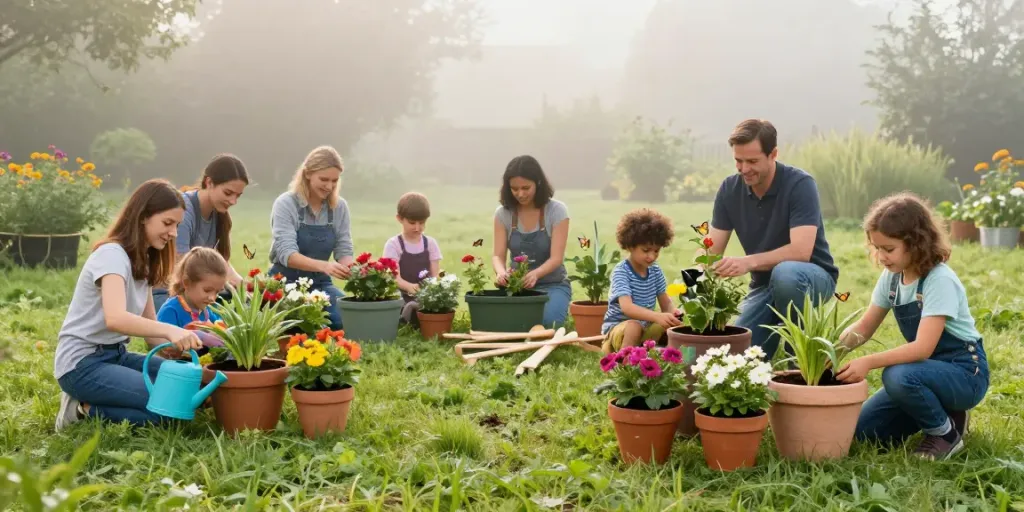
Community gardening not only fosters communal bonds but also encourages sustainable practices within neighborhoods. IDEALIST planters can significantly enhance these collaborative efforts, providing uniformity and aesthetic appeal across shared spaces.
Building Community Through Shared Gardens
Community gardens thrive on shared responsibility and engagement. Create a schedule for planting, watering, and maintenance to ensure all participants contribute. Using IDEALIST planters can help streamline this process, as similar planters require similar care techniques, simplifying the training for new gardeners.
Organizing community events centered around planting days can also foster group cohesion and enthusiasm for the gardening venture.
Organizing Workshops for Gardening Enthusiasts
Workshops provide excellent opportunities for skill-sharing among community members. Hosting sessions on topics such as organic gardening, pest control, and even DIY planter design can enhance knowledge and promote a culture of sustainability.
Leveraging the expertise of local gardeners or horticulturists can also enrich these workshops, providing attendees with practical and valuable insights.
Maintenance and Seasonal Planning for Group Gardens
Successful community gardens require ongoing maintenance and seasonal planning. Establishing a clear plan for which plants to grow in different seasons can help optimize yields and ensure continued interest among participants.
IDEALIST planters support this by being adaptable to various climates and plant types, making it easier to rotate crops and maintain a vibrant community garden.
How Can IDEALIST Planters Enhance Community Garden Projects?
The modular design of IDEALIST planters allows for creative configurations, making them ideal for community gardens. Their variety of sizes and styles can accommodate a range of plants, catering to diverse gardening preferences among community members.
Moreover, the aesthetics of IDEALIST planters can transform a basic plot into a visually appealing space, encouraging more people to participate and enjoy the garden.
What Size IDEALIST Planter Should I Choose for My Plants?
Choosing the right size planter is essential for plant health. For larger plants, such as tomatoes or small shrubs, select larger IDEALIST planters that provide ample room for root growth. Conversely, for herbs or smaller flowering plants, compact planters can suffice.
Refer to the specific growth requirements of your chosen plants when selecting your planters, ensuring that they have enough space to thrive without becoming root-bound.
Can IDEALIST Planters Be Used for Hydroponics?
Yes, IDEALIST planters can be adapted for hydroponic gardening! With the right modifications, such as adding a reservoir for nutrient-rich water and ensuring proper drainage, hydroponic methods can be effectively employed.
This method of gardening allows for faster growth cycles and can be particularly beneficial for urban dwellers with limited outdoor space.
What Are the Best Plants for IDEALIST Planters?
The best plants for IDEALIST planters depend on your climate and personal preferences. Consider using herbs like basil and mint, which flourish in smaller planters, or opting for larger flowering plants like geraniums for more visual impact.
Additionally, native plant species are often more resilient and require less maintenance, making them an excellent choice for diverse environmental conditions.
How to Care for Your IDEALIST Planters Year-Round?
Caring for your IDEALIST planters involves regular checks on soil moisture, plant health, and seasonal adjustments. In winter, ensure that outdoor planters are insulated against frost, while in summer, monitor for signs of drought.
Routine fertilization and seasonal replanting can also keep your planters thriving throughout the year, ensuring that your garden remains vibrant and productive.
Where Can I Find IDEALIST Planters Near Me?
Finding IDEALIST planters is simple, as many local garden centers and online retailers carry their products. Visiting the official website can also provide additional insights into stockists and available products.
Exploring community gardening events may also lead to opportunities for purchasing IDEALIST planters from fellow gardeners, further enhancing your local gardening connections.