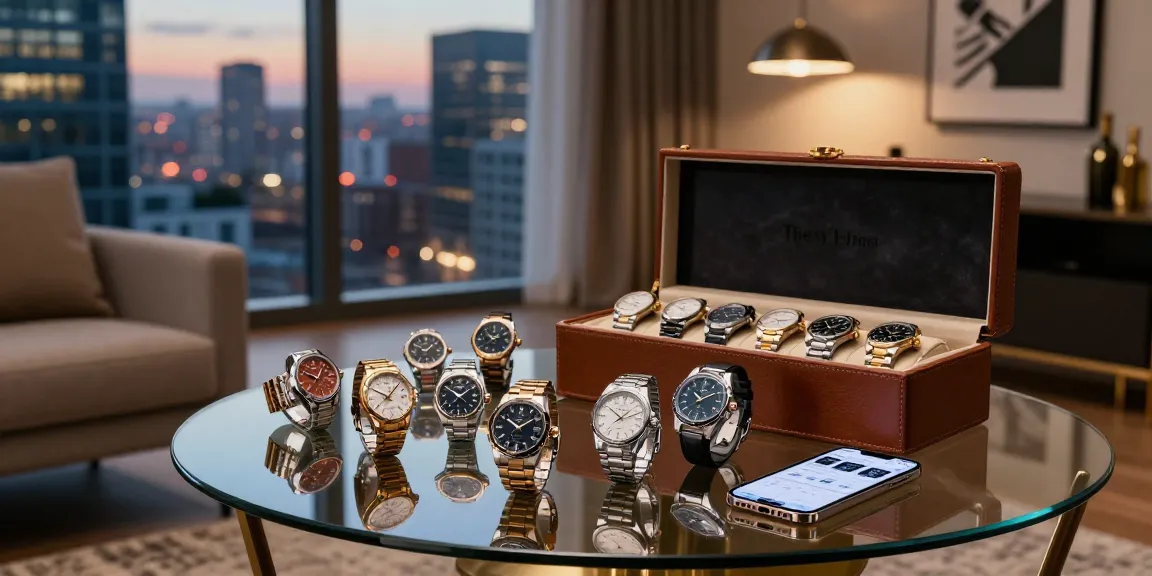
The Emergence of Clone Watches: A New Era in Timepieces
In recent years, the watch industry has witnessed a significant transformation with the advent of clone watches. These timepieces have become increasingly popular among collectors and enthusiasts alike, as they encapsulate the essence of luxury watchmaking without the exorbitant price tag. While traditional replicas have long been around, the sophistication and accuracy of clone watches have set a new standard. This article delves into the nuances of clone watches, exploring their rise in popularity, key distinctions from traditional replicas, and why many watch lovers are choosing them as their go-to option for luxury timepieces. When exploring options, clone watches provide comprehensive insights into the best choices in the market.
Understanding the Clone Watch Phenomenon
The term “clone watch” signifies a new class of replica that has gained traction by offering exceptional fidelity to the original designs of luxury brands. Unlike traditional replicas that often compromise on quality, clone watches aim for a level of craftsmanship that closely mirrors high-end originals. This includes the use of premium materials, advanced movement technology, and meticulous attention to detail, allowing them to bridge the gap between affordability and luxury.
Key Differences Between Clone and Traditional Replica Watches
The distinction between clone watches and traditional replicas lies primarily in their quality and construction. Traditional replicas often cut corners on materials and movement to reduce costs, leading to a noticeable difference in performance and longevity. In contrast, clone watches utilize high-grade materials such as 904L stainless steel, sapphire crystals, and authentic Swiss movements or clones, ensuring that they not only look the part but also perform at a level that would satisfy even the most discerning luxury watch aficionados.
Why Enthusiasts Prefer Clone Watches
For many watch enthusiasts, the decision to opt for clone watches over traditional replicas comes down to a few key factors: reliability, longevity, and value. Clone watches are engineered to withstand the test of time, offering a level of durability and accuracy that can rival even some genuine timepieces. Additionally, many collectors appreciate the opportunity to own a piece that embodies the painstaking craftsmanship of luxury watches without the financial burden that usually accompanies them.
Quality Standards: What Sets Clone Watches Apart
Quality is at the forefront of the clone watch movement, and buyers are increasingly aware of the importance of craftsmanship and materials. These watches are not just about aesthetics; they represent a commitment to maintaining the standards of luxury watchmaking in every aspect.
The Importance of Movement in Clone Watches
One of the primary aspects that define clone watches is the movement. High-quality clone watches typically feature Swiss clone movements, which replicate the functionality and reliability of the original mechanisms. These movements are designed for precision timekeeping and longevity, ensuring that the watch not only looks good but also performs exceptionally well over time.
Materials Used in High-Quality Clone Watches
Clone watches stand out due to their use of premium materials that mirror those used in authentic luxury timepieces. High-grade stainless steel, scratch-resistant sapphire crystals, and even genuine leather straps contribute to the overall feel and durability of the watch. The commitment to using these materials ensures that clone watches not only offer a visually appealing option but also a long-lasting investment.
Comparing Clone Watches to Ordinary Replicas
When comparing clone watches to ordinary replicas, several key differences emerge. Ordinary replicas often use inferior materials, resulting in a lower quality appearance and functionality. In contrast, clone watches are held to a higher standard, focusing on every element that makes the original watch exceptional. Features such as correct engravings, luminescence, and even movement sound are taken into account to create an authentic experience.
Identifying the Right Clone Watch for You
Finding the perfect clone watch requires careful consideration of several factors, including personal style, comfort, and desired features. This not only ensures satisfaction but also enhances the overall ownership experience. Here’s what to keep in mind when shopping for your next timepiece.
Analyzing Your Style: Dress vs. Casual Clone Watches
Your personal style plays a crucial role in selecting the right clone watch. If you often find yourself dressing for formal occasions, a classic timepiece with a leather strap and minimalist design might be ideal. Conversely, if your wardrobe includes casual wear, you might prefer more robust designs with sporty features. Understanding your style can help narrow down the options significantly.
Size and Comfort Considerations
Wearing a watch that fits comfortably is essential for long-term satisfaction. Pay attention to the size and weight of the watch, ensuring it aligns with your wrist size and lifestyle preferences. Many clone watches come in various sizes, allowing you to choose one that complements your wrist without causing discomfort.
Choosing the Right Features and Functions
Different clone watches offer a range of features, including chronographs, date displays, and water resistance. Consider what functions are most important to you and how you plan to use your watch. If you’re an avid diver, for instance, opt for a timepiece designed to withstand water pressure, while those seeking a stylish accessory for everyday wear may prioritize aesthetics over functionality.
Maintaining Your Investment: Care Tips for Clone Watches
To ensure your clone watch remains in peak condition, proper maintenance and care are essential. With the right practices, you can prolong its lifespan and keep it looking as good as new.
Routine Maintenance Practices
Regular servicing is key to maintaining the functionality of your clone watch. This includes cleaning the exterior with a soft cloth, ensuring the movement is functioning correctly, and having it serviced professionally every few years. Keeping meticulous care of your watch can safeguard against wear and tear over time.
Storing and Displaying Your Clone Watch Collection
Proper storage of your clone watches can drastically improve their longevity. Consider investing in a watch box or case that provides a cushioned and protective environment. Avoid exposing them to extreme temperatures or direct sunlight, as these factors can compromise both the movement and finish of your timepieces.
Common Mistakes to Avoid with Clone Watches
When caring for clone watches, there are several mistakes to avoid to ensure their longevity. Neglecting to clean your watch regularly, overwinding mechanical movements, and exposing them to harsh chemicals can all lead to issues over time. Stay informed about the proper care and attention your specific model requires to maintain its quality.
The Future of Clone Watches: Trends to Watch for in 2026
As the demand for clone watches continues to grow, the industry is evolving to meet consumer needs and preferences. Several trends are emerging that are likely to shape the future of clone watches in 2026 and beyond.
Innovative Technologies Influencing Clone Watch Design
Technology is playing a pivotal role in the advancement of clone watches. Innovative manufacturing processes, such as 3D printing and CNC machining, allow for unparalleled precision in creating timepieces. These technologies could pave the way for clone watches that not only match the originals in appearance but also in functionality.
Emerging Brands to Keep an Eye On
As clone watch popularity rises, new brands are entering the market, challenging established players with unique offerings. Brands focusing on specific niches or exclusive collaborations are likely to capture consumer interest. Keeping an eye on these emerging brands can help enthusiasts discover hidden gems in the clone watch space.
The Impact of Sustainability on Clone Watch Production
With growing awareness around environmental issues, sustainability is becoming a focal point in the clone watch industry. Brands are exploring eco-friendly materials and ethical manufacturing practices to appeal to conscious consumers. This trend could shape how clone watches are produced and marketed in the coming years.
Are clone watches worth the investment?
Many watch enthusiasts find clone watches to be a worthwhile investment. The combination of quality, craftsmanship, and affordability makes them an attractive option for collectors looking to expand their collection without breaking the bank. However, potential buyers should research and ensure they are choosing reputable sellers to guarantee quality.
How long can I expect my clone watch to last?
With proper care and maintenance, many clone watches can last several years and, in some cases, decades. Investing in high-quality materials and reliable movements contributes significantly to the longevity of the watch, making it a smart choice for those looking for durability alongside aesthetics.
What should I consider when buying clone watches?
When purchasing clone watches, consider factors such as the quality of materials, the reputation of the seller, and the design features that appeal to you personally. Reviewing customer feedback and conducting thorough research can also help ensure you make an informed and satisfying choice.
Are clone watches legal to own and wear?
In most jurisdictions, owning clone watches is legal, provided they do not violate trademark laws. However, it’s essential to verify the laws in your area and ensure that you’re purchasing from reputable sources that comply with regulations.
How do I spot a high-quality clone watch?
To identify a high-quality clone watch, examine the craftsmanship, materials, and overall finish. Look for authentic-looking engravings, accurate weight, and precise movement. By paying attention to these details, you can better ensure you’re investing in a superior product.